
One minute your toddler is happily playing, the next they’re grabbing a toy from another child. Or maybe your preschooler lingers on the edge of the playground, unsure how to join a game. In those moments, it’s natural to wonder: “Is my child’s social development normal?” The good news is that social growth follows predictable patterns, much like learning to walk or talk. Children move through social skills development stages, each building on the last. In this guide, you’ll find a clear, age-by-age roadmap to help you understand, support, and nurture your child’s ability to connect confidently with others.
The First Connections: Social Milestones for Infants (0-12 Months)
As children progress through the stages of social skills development, learning how to manage their time effectively can play a crucial role, much like the strategies discussed in our article on time blocking for parents, which helps balance work and home life amidst these changes – for more details, check out our Time Blocking for Parents: Balancing Work and Home Life.
From the very beginning, babies are wired for connection. These early months aren’t about words; they’re about interaction—the back-and-forth exchanges that build trust. Think of it as the groundwork for all later communication.
0-3 Months: Making eye contact, responding to smiles with a smile, and turning toward voices are reflexive but meaningful. When your baby locks eyes, they’re practicing focus and bonding.
4-7 Months: Laughter and games like peek-a-boo teach object permanence—the idea that things exist even when unseen. Babies also start recognizing familiar faces (yes, you’re basically their favorite Avenger).
8-12 Months: Separation or stranger anxiety simply shows attachment, not misbehavior. Waving, pointing, and responding to their name signal shared attention—when a baby points, they’re saying, “Look with me.”
Understanding these social skills development stages helps you see progress, not pressure. Each small exchange builds big connection. Quiet moments matter.
Learning the Rules of Play: Social Skills for Toddlers (1-3 Years)
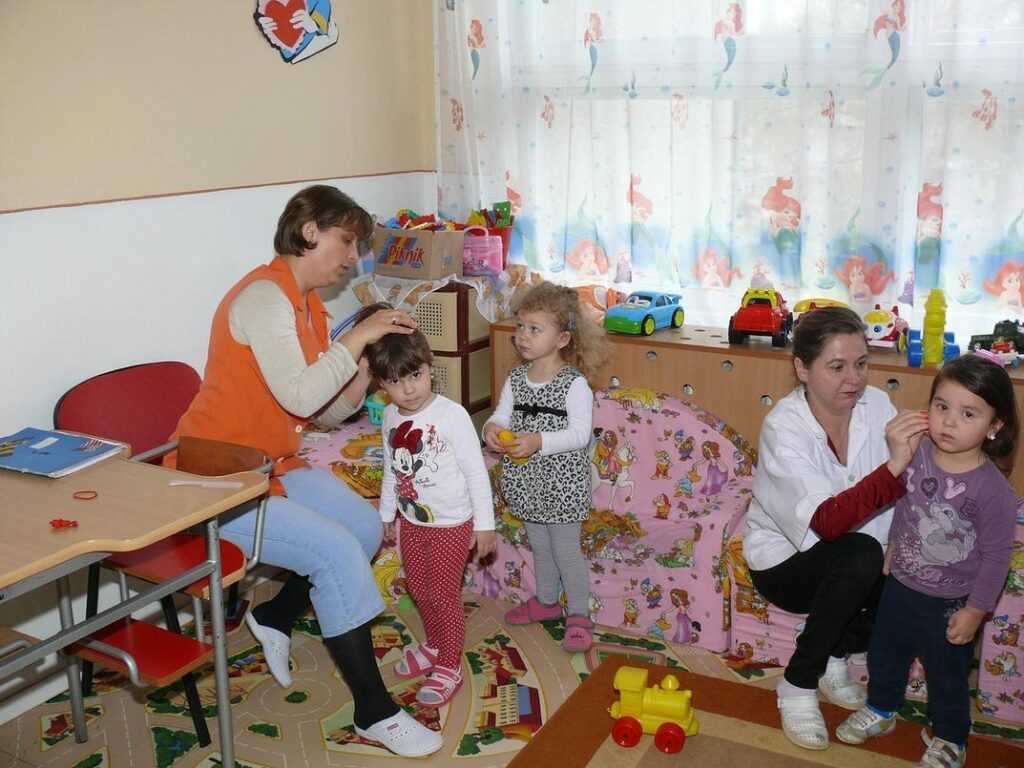
Between ages one and three, children shift from quiet observation to wobbly, hands-on interaction. At first, you’ll see them watching other kids like tiny scientists. Then, almost overnight, they step in—grabbing, babbling, and sometimes toppling the block tower (social grace takes practice).
One key stage is parallel play—when toddlers play beside other children but not directly with them. It may look like ignoring, yet it’s actually connection-in-training. Think A vs B: cooperative board game play belongs to preschoolers; side-by-side sandbox digging is perfectly age-appropriate here. According to the American Academy of Pediatrics, this phase builds comfort and awareness before true collaboration develops.
Next comes the infamous “mine” phase. Sharing feels impossible because toddlers are building a sense of self. Ownership equals security. While adults value generosity, toddlers value control. That tension explains the tug-of-war over a single truck.
Meanwhile, imitation becomes their social superpower. They copy your tone, gestures, even how you hand someone a cup. (Yes, you’re basically their favorite influencer.) Through modeling, they absorb the unwritten rules of social skills development stages without lectures.
So what helps? First, narrate emotions: “You feel sad he took your truck.” This builds emotional vocabulary. Second, model turn-taking during simple games. Finally, praise “gentle hands” the moment you see them. Pro tip: practice sharing during calm moments, not conflicts. Over time, clumsy contact turns into real connection.
Patience today plants empathy for tomorrow’s playground negotiations and friendships. Small steps matter more daily.
From Playmate to Friend: Social Skills for Preschoolers (3-5 Years)

Between ages three and five, children make a remarkable shift from playing beside others to truly playing with them. This leap—often highlighted in social skills development stages in the section once exactly as it is given—marks the move into cooperative and imaginative play.
First, cooperative play means children share goals and follow simple rules. Instead of building separate block towers, they decide to build one “super tower” together. According to the American Academy of Pediatrics, cooperative play strengthens problem-solving and self-regulation skills because children must listen, wait, and adapt (AAP, 2019). In other words, it’s teamwork in tiny sneakers.
At the same time, empathy begins to bloom. Preschoolers start recognizing that others have different feelings and perspectives. Research from Harvard’s Center on the Developing Child shows that perspective-taking in early childhood predicts stronger peer relationships later on. So when your child says, “She’s sad because her toy broke,” that’s real growth.
Communication also levels up. Children learn to negotiate: “Can I have a turn when you’re done?” or “Let’s both be superheroes.” If frequent misunderstandings occur, consider exploring resources on recognizing speech and language delays early to rule out communication barriers.
Of course, conflicts happen. Tattling, bossiness, and hurt feelings are common. Instead of shaming, guide them: validate feelings, restate the problem, and coach solutions. For example, “You both want the truck. What’s a fair way to share?” Over time, these small scripts build lifelong social confidence (and fewer playground standoffs).
Navigating a Bigger World: Social Skills for School-Aged Children (6–10 Years)
As children enter larger classrooms and teams, social growth becomes more nuanced. While some argue kids “just figure it out,” research from the American Academy of Pediatrics shows social competence directly impacts academic success (AAP, 2020). In other words, these skills aren’t optional extras.
Here’s what truly matters:
- Understanding Social Cues: Children learn to read body language, tone shifts, and unwritten rules (like knowing when sarcasm isn’t literal). For example, noticing crossed arms might signal a friend needs space.
- Conflict Resolution: Gradually, kids move from adult-led mediation to solving playground disputes independently.
- Being a Good Sport: Managing disappointment after losing a game—without storming off—is emotional maturity in action.
- Friendship Dynamics: Loyalty and trust deepen, while cliques and peer pressure emerge.
Unlike basic advice, aligning guidance with social skills development stages helps parents anticipate challenges instead of reacting late. Pro tip: role-play tricky scenarios before they happen—it’s like rehearsal before opening night.
Your Role as Your Child’s Social Coach
Social growth doesn’t happen overnight. Every child moves through social skills development stages at their own pace, from simple eye contact in infancy to sharing toys in toddlerhood and eventually navigating friendships and conflict resolution in elementary school. The journey is gradual—and that’s perfectly normal.
Your role isn’t to direct every interaction, but to coach with patience and encouragement. When social moments feel challenging, remember your child is still learning.
Start today: create opportunities for play, model kindness in your daily routines, and celebrate small social victories. Those little wins build the confidence and connection your child needs to thrive.