
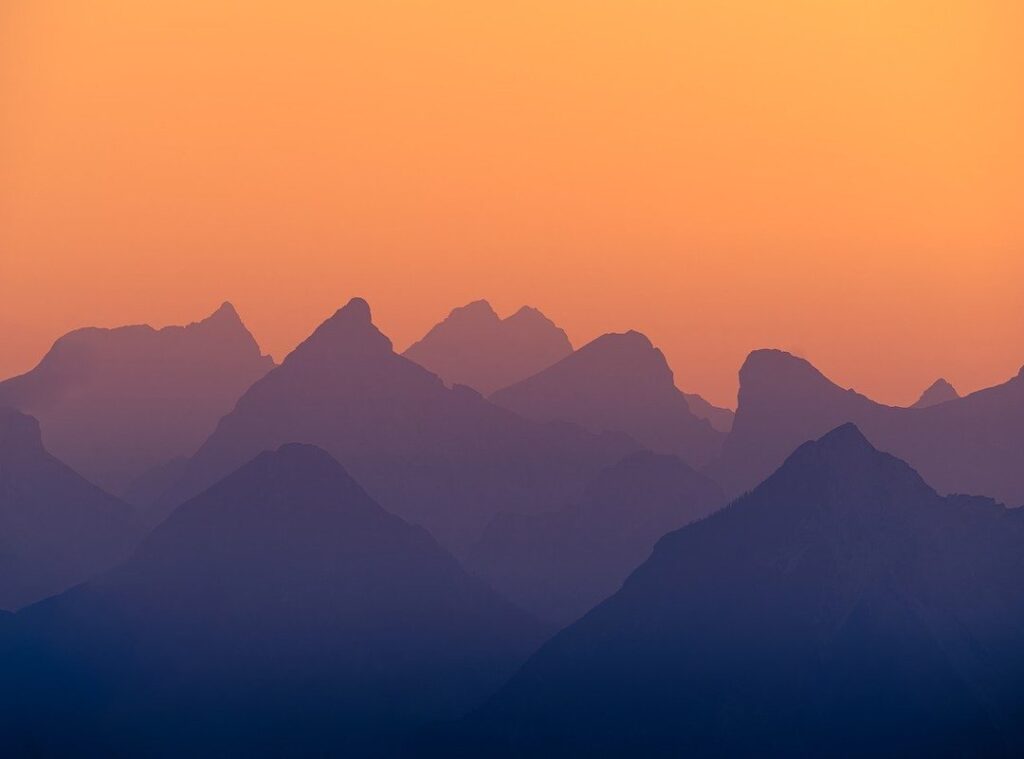
Sometimes you just want a phone or desktop background that matches a more thoughtful, quiet, or melancholic mood. You know, the kind that feels like a gentle hug when you’re feeling a bit down. Wallpaper sedih aesthetic is exactly that.
“Sedih” means sad in Indonesian, but this aesthetic is more about contemplative beauty than pure sadness.
In this article, I’ll explore what wallpaper sedih aesthetic is, what makes it so compelling, and how you can find or create the perfect wallpaper that resonates with this feeling. By the end, you’ll have a clear understanding of this popular style and a list of resources to find high-quality images.
People are drawn to this aesthetic because it’s a way to acknowledge complex emotions in a visually pleasing way. It’s not just about being sad; it’s about finding beauty in the blues.
Decoding the Aesthetic: What Does ‘Sad Wallpaper’ Really Mean?
When you hear “sad aesthetic,” it might sound, well, sad. But it’s not about being depressing. It’s more of an artistic style that focuses on nostalgia, solitude, introspection, and quiet moments.
Longing is a big part of it. There’s a peaceful loneliness, a beauty in imperfection—like the Japanese concept of wabi-sabi. It’s like feeling like the main character in a movie, but in a quiet, reflective way.
Visually, this aesthetic often includes rainy cityscapes, blurred lights, empty rooms, wilted flowers, foggy landscapes, and lone figures. These elements create a mood that’s both melancholic and beautiful.
The psychology behind its appeal? It’s comforting and validating. People find solace in these images, feeling understood in their quieter moods.
It’s a stark contrast to the overly positive or “hustle culture” aesthetics. The wallpaper sedih aesthetic offers a unique space for digital self-care and emotional expression.
Think of lo-fi music animations, certain indie films, or the photography of specific artists. These media capture the vibe perfectly, offering a space where people can just be, without the pressure to always be on.
In a world that’s always telling us to be upbeat and productive, the sad aesthetic reminds us it’s okay to slow down and feel.
The Key Ingredients: Elements of a Perfect Melancholy Wallpaper
When it comes to creating a wallpaper sedih aesthetic, the color palette is everything. Muted tones, desaturated colors, cool blues, grays, soft purples, and deep blacks set the mood.
Often, there’s a single point of soft light that adds a touch of warmth. This contrast makes the scene feel more real and relatable.
Lighting and texture play a huge role too. Soft focus, film grain, lens flare, and shadows create a dreamy, nostalgic, and atmospheric quality. It’s like stepping into a memory, or a quiet moment in time.
Common subjects are often minimalist. Off-center subjects and negative space evoke feelings of emptiness or contemplation. A lone figure looking out of a window, for example, can speak volumes. wallpaper sedih aesthetic
Sometimes, these wallpapers include a single, poignant word, a short quote, or a line of poetry. The text is usually in a simple, unobtrusive font, adding to the overall mood without overpowering the image.
- A rain-streaked bus window at night, with neon city lights blurred in the background.
- An old, empty room with a single chair by the window, illuminated by the soft glow of moonlight.
- A lone tree in a vast, foggy field, with the sun barely peeking through the clouds.
The goal is to create a mood, not just to show a sad object. The entire scene should feel emotionally resonant. When you look at it, you should feel something.
That’s the power of a well-crafted melancholy wallpaper.
By understanding these elements, you can create or choose a wallpaper that speaks to your emotions, making your space feel more personal and meaningful.
Where to Find Your Next Favorite Wallpaper

When it comes to finding high-quality aesthetic imagery, Pinterest is your go-to. It’s a treasure trove of curated collections and creative ideas.
Use specific search terms like ‘melancholy aesthetic,’ ‘lofi wallpaper,’ ‘rainy day aesthetic,’ ‘nostalgia core,’ and ‘dark academia wallpaper.’ These can help you narrow down exactly what you’re looking for.
But don’t stop there. Unsplash and Pexels are fantastic for high-resolution photography. Instead of searching for literal objects, try moods like ‘somber,’ ‘lonely,’ or ‘quiet.’ This approach often yields more atmospheric and fitting images.
Tumblr and Instagram also have their perks. On Tumblr, you can find niche aesthetic blogs that curate these images. Instagram, with its visual focus, is perfect for following specific artists or creators who specialize in the wallpaper sedih aesthetic.
Pro tip: Follow those artists or creators. They’ll keep your feed fresh with new, high-quality content.
Just be wary of low-quality sources or heavily watermarked images. The aesthetic relies on a clean, high-resolution look to be truly effective.
Setting the Mood: Your Screen, Your Vibe
The ‘sad aesthetic’ is about finding beauty in quiet, contemplative moments, not just about being sad. It embraces a sense of calm and introspection. Key elements include muted colors, atmospheric lighting, and emotionally resonant subjects.
These elements work together to create a serene and reflective atmosphere.
You now have the resources and search terms to find the perfect wallpaper that reflects your current mood. wallpaper sedih aesthetic can be a great starting point. Your digital space is personal, and choosing a wallpaper is a small but meaningful way to make it feel more like your own. Explore the aesthetic and find an image that brings you a sense of peace, comfort, or thoughtful reflection.