
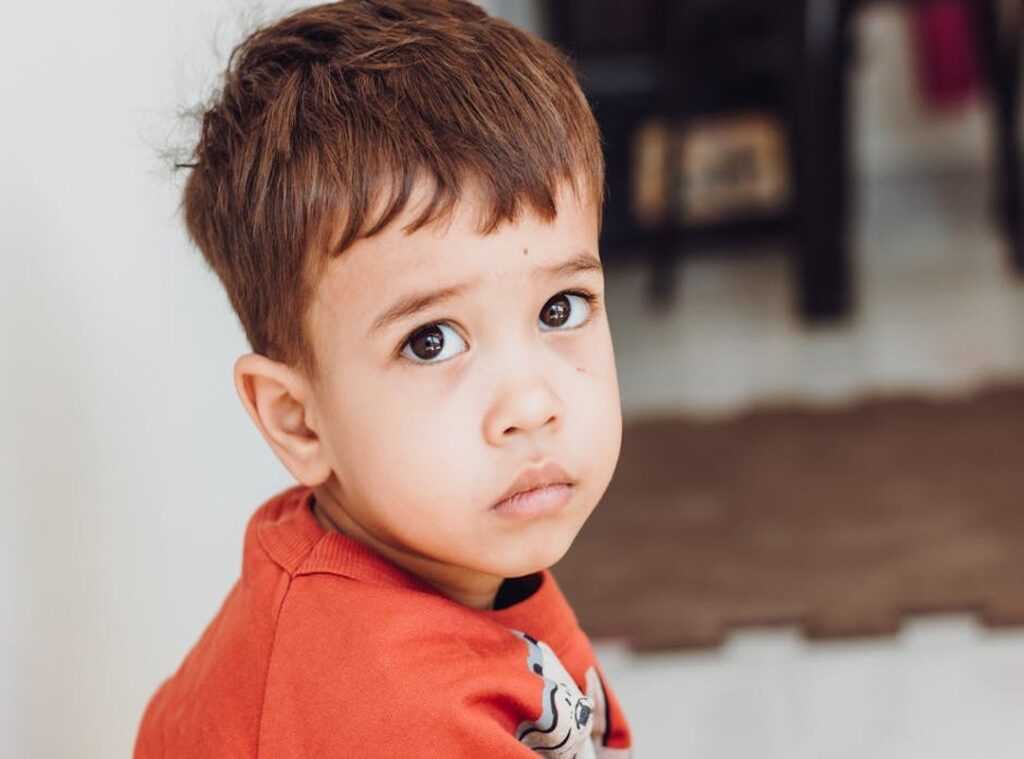
Ever been caught off guard by your child’s sudden meltdown over something tiny? It’s like the world just exploded. You’re left feeling helpless, and it’s frustrating.
Navigating these big feelings is tough, but it’s key. Parenting isn’t about perfection. It’s about understanding.
This guide offers you practical takeaways into emotional development child. It’s rooted in real-world experiences, not unreachable ideals. We understand the chaos of parenting.
We’re not promising miracles, but what you’ll find is a clear, patient roadmap. You’ll learn to transform chaos into connection. Let’s dive in together and turn these moments into growth opportunities.
Emotional Growth: The Secret Language of Kids
Emotional growth in kids is kind of like learning a new language. It’s the “language of feelings.” They learn to understand, manage, and express emotions in healthy ways. So what does that mean in simple terms?
First, they need to recognize their feelings. You know, that moment when a kid realizes they’re mad or sad instead of just feeling “weird”? Identifying emotions in themselves and others is step one.
Let’s break it down.
Then comes understanding why they feel that way. Did they have a bad day at school? Did someone cut them off in kickball?
Next is managing those emotional reactions. It’s not just about having the feelings but controlling how they respond. learning to take deep breaths or counting to ten comes in. Finally, they develop empathy.
It’s a big word, but it just means putting themselves in someone else’s shoes. Feeling what others feel.
Why does this matter? Well, it’s huge for their future. Kids who master emotional development are better at making friends, handling disappointments, and building resilience.
It’s how they learn to bounce back from life’s inevitable curveballs. And let’s face it, life has plenty of those.
Now, you might wonder how this differs from other kinds of growth like walking or talking. Emotional development is about feelings, not actions. It’s an inner journey, one that’s just as key as physical milestones.
Want to dive deeper into how these skills can even help in fostering creativity in your child? This guide is a good place to start.
Emotional Milestones: Growing Up in Feelings
Toddlers (Ages 1-3): Let’s start with these little humans. Their emotions are like a light switch: all or nothing. Tantrums? Oh, they’re just a normal way for toddlers to express frustration. But it’s not all chaos. You might notice them patting a crying parent. It’s the beginning of empathy, a sweet early sign of their emotional growth. Here’s a tip: Narrate their feelings. It helps them start to understand what they’re going through.
Preschoolers (Ages 3-5): Now, these kiddos are getting fancy with words. “Mad,” “sad,” “happy”. Their vocabulary for feelings expands. They begin to grasp that their actions can impact others’ feelings. Of course, their imagination kicks in, too, bringing along new fears. Monsters under the bed? Yep, that’s part of the package. A simple way to support them is by using storybooks to talk about emotions. Stories are magic for their minds, right?
School-Age Children (Ages 6-9): At this stage, kids get better at managing frustration. They start to see things from others’ perspectives, which is huge. Friendships become a big deal, bringing complex emotions like jealousy and loyalty. You know, the drama of playground alliances. Support them by asking open-ended questions about their day. It encourages them to share and reflect on their feelings.
If you’re curious about the technical side of this, check out emotional development child. It dives deep into what shapes these emotional milestones.
In each stage, the growth is palpable. The journey of feelings isn’t just about getting older. It’s about understanding the world and their place in it.
And as adults, our role isn’t just to watch. It’s to guide, to nurture, and to narrate their path. Because let’s face it, growing up is a wild ride.
Your Practical Toolkit: 5 Everyday Strategies
When it comes to raising an emotionally intelligent child, you need tools that work in real life. No fluff. Just practical advice (the kind you can actually use when your kid’s losing it over a fallen LEGO tower).

Name It to Tame It: Ever tried naming emotions? It’s like magic. Kids tend to calm down when you put their feelings into words. I usually say something like, “I can see you’re feeling frustrated because the tower fell down.” Sounds simple, right? But it works. Kids feel understood when you name their emotions.
Validate the Feeling, Not the Behavior: You know the drill. Your kid’s crying because you’re leaving the park. Instead of “Stop crying,” try, “It’s okay to feel sad that we have to leave the park.
I get sad when fun things end, too.” It’s about acknowledging the feeling, not endorsing the meltdown.
Be an Emotional Role Model: Kids watch everything. They see how you handle your emotions and learn from it. So, when I’m overwhelmed, I say, “I’m feeling a little overwhelmed, so I’m going to take a few deep breaths.” It’s real, and it shows them how to handle stress.
Create a ‘Calm-Down Corner’: This isn’t a time-out spot. It’s a cozy space with pillows, books, or sensory toys where your child can chill. Think of it as a safe haven for big emotions.
Trust me, this little sanctuary can make all the difference.
Problem-Solve Together: Once the storm’s passed, guide them in problem-solving. Say, “You were angry your brother took your toy. What could we try next time that happens?” It empowers them to find solutions on their own.
Want to dive deeper into this topic? You can learn more about tracking milestones early childhood and emotional development.
Navigating the Bumps: Handling Common Emotional Challenges
Does your kid ever throw a tantrum so epic it feels like you’re starring in a reality show? Welcome to the tantrum tightrope. Here’s the thing: tantrums are normal.
They’re not a sign of failure. First, stay calm. Your calm is contagious.
Second, make sure safety. Move them or objects if needed. Third, connect after.
Once calm, offer a hug and talk briefly. It’s about emotional development, not chaos.
Now, what about defiance and that infamous “No!”? It’s a child’s way of finding independence. Annoying, right?
Here’s a trick: give them limited, acceptable choices. Say, “It’s time to get dressed. Do you want the red shirt or the blue shirt?” This gives them a sense of control.
It’s a win-win. They feel empowered, you get them dressed without a meltdown.
Parenting is a wild ride, filled with emotional development challenges. But these moments, though stressful, are also opportunities. Opportunities for growth and connection.
Sometimes we just need to shift perspective. See it not as a battle but a dance. You lead sometimes, they lead others.
It’s changing and unpredictable, but isn’t that what makes parenting so rich?
Embrace the Journey with Your Child
Feeling overwhelmed by your child’s emotions? You’re not alone. It’s a marathon, not a sprint.
That’s the beauty (and challenge) of emotional development child growth. Progress isn’t about being the perfect parent. It’s about those small, consistent efforts we make every day.
Pick one plan from our toolkit this week. Just one. Notice the subtle shifts in connection and understanding in your family.
It’s those little victories that matter most.
Ready to see change? Start today. Visit our site, dive into the strategies, and watch your family grow closer.
Don’t wait. Your journey starts now.