

You watch your child play, and the question pops up: “Are they on track?” Milestone charts can feel like a mountain of anxiety. I get it. They’re overwhelming, and they make you wonder what’s key.
This guide is here to cut through the noise. It’s real, practical, and aimed at actual parents who need straightforward steps, not jargon. We break down those complex stages into simple actions.
From birth to age five, we’ll cover key early childhood milestones. This isn’t a strict rulebook; it’s a supportive guide. You’ll understand and support your child’s unique journey with ease.
Early Childhood Milestones: What They Are and Aren’t
Early childhood milestones are benchmarks. Skills most children achieve by a certain age. But they’re not rigid schedules.
Kids aren’t on a clock. These milestones fall into four groups: Social & Emotional, Language & Communication, Cognitive (learning, thinking), and Physical (gross and fine motor skills). They’re not a race; they’re guidelines.
So if your child isn’t walking by that “magic” 12-month mark, it’s not a disaster.
Ever thought about how learning to crawl comes before walking? One skill builds on another. It’s like leveling up in your favorite game (only less digital).
What’s important is recognizing that each child moves at their own speed, painting their own timeline.
And speaking of timelines, if you’re interested in learning more about language development, check out Understanding Stages Language Acquisition. It offers on how children pick up language (even if it’s not perfect at first).
The First Year of Wonders: Milestones from Birth to 12 Months
By 3 Months
It’s amazing how much babies change in just three months. Around this time, they start hitting those early childhood milestones that make you realize how fast they’re growing. For physical milestones, babies often hold their heads up when lying on their stomachs.
You can help by giving them tummy time each day. Get down on the floor with them and make silly faces (they love that stuff).
Socially, you might notice your baby smiling at people. Yes, those goofy grins are real! Encourage this by smiling back and talking to them. They respond to your face and voice, and it’s such a fun interaction.
By 6 Months
By six months, babies become little explorers. It’s fascinating to watch. Cognitively, they start watching things as they move. Gently move a colorful toy in front of their face to keep them engaged and promote tracking skills.
Physically, some babies may begin to sit with minimal support. Help them practice by propping them up with cushions. It’s all about building strength and confidence.
Babbling is another milestone. You’ll hear them trying out different sounds. Respond with enthusiasm. Echo their sounds and add new ones. It’s your first conversation with them!
By 12 Months
The big 1-year mark is a whirlwind. Physical milestones like standing alone or even taking first steps happen around this time. Provide a safe space for them to practice walking. Hold their hands as they take those wobbly steps.
Social and emotional development is key here too. They may show stranger anxiety or cry when you leave the room. Comfort them with hugs and familiar routines.
By one year, they often develop a pincer grasp. This allows them to pick up small items. You can encourage this skill by offering them small, safe snacks to grab.
For more detailed milestones and how to support your baby’s development, check out this resource. It’s packed with useful tips for new parents navigating this exciting journey.
The Toddler Adventure: Milestones from 1 to 3 Years
The One-Year-Old (12-24 months)
Watching a one-year-old is like having front-row seats to a whirlwind show. The explosion of mobility and language is something else. They’ve just started walking, teetering around with those wobbly, but determined steps.
And when they say their first words, it feels like a tiny miracle every time. “Mama,” “Dada,” maybe even “No” (they learn that one fast).
Pointing becomes their new favorite thing. They’ll point to everything. The cat, the sky, the toaster.
You name it. They’re asserting independence, tiny beings with big personalities.
How can you help? Start by creating a safe space for them to explore. They need freedom here.
The Two-Year-Old (24-36 months)
Now, you’ve got a two-year-old. They’re not just walking; they’re running. It’s like they’ve got rockets in their shoes.
Ball kicking is on the agenda too. You’re their first soccer coach whether you like it or not.
Language? Oh, it’s developing fast. Two to four-word sentences are the norm now.
They might say, “Want cookie,” and yes, they always want cookies.
Pretend play comes into the picture. Suddenly, a cardboard box is a spaceship. Their imagination is wild, so roll with it.
Here’s the kicker: read with them daily. Books are gold. Ask them to point to pictures in the book. “Where’s the puppy?” This boosts their language skills and keeps them engaged.
Want more tips? Check out Supporting Childs Emotional Growth. It’s packed with takeaways on nurturing their little minds.
In these years, early childhood milestones aren’t just checked boxes; they’re leaps and bounds in your toddler’s world. And yours too. Parenting’s a journey, a bit like a roller coaster.
You hold on tight, enjoy the ride, and sometimes you’re not sure what’s coming next. But hey, isn’t that the fun part?
Big Leaps: Preschool Years Unpacked
Preschool is a whirlwind. Kids jump from playing side-by-side like awkward robots to full-on playdates. Remember when sharing was a foreign concept?
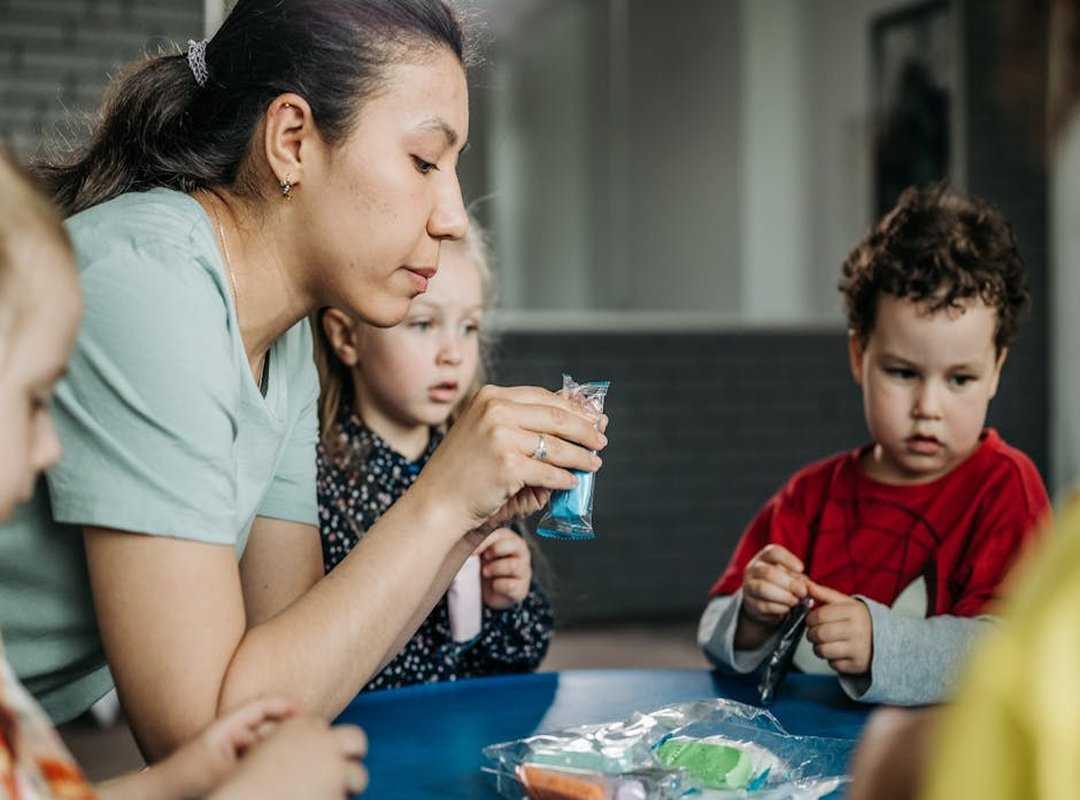
Suddenly, they’re handing over toys like it’s no big deal. If you’ve ever tried building a tower with a toddler, you know the chaos (and the inevitable crash). But this age is when early childhood milestones like cooperative play start to shine.
Language explodes too. Before you know it, they’re telling you stories. Some make sense, some not so much.
They start counting things, pointing out colors, and pestering you with a million questions. Have you heard their favorite word yet? Why?
It’s their new obsession.
Dressing themselves is another skill that surfaces. I’ll never forget the “backward pants phase.” It’s about mastering self-sufficiency, even if it means mismatched socks. And don’t get me started on following multi-step instructions (a parenting miracle when it happens).
You want some pro tips? Dive into play-based learning. Drawing, using safety scissors, and building with blocks can work wonders for fine motor skills.
I swear by puzzles and simple crafts. They teach patience and problem-solving.
Socially, it’s a rollercoaster. One minute they’re sharing, the next they’re in full meltdown mode. Teaching them to express emotions is key.
Acknowledge their feelings and model calm reactions. It’s not magic, but it helps.
These years may feel like a blur, but they’re filled with important growth. Stay patient and grab every chance to support their leaps. They’re building the foundation for everything that comes next.
Trusting Your Instincts: Know When to Seek Help
You know your child best. If something feels off, it probably is. Trust those instincts.
For example, if your child loses a skill they once had, like waving goodbye, or isn’t responding to their name by 12 months, it might be time to chat with a professional. This isn’t meant to alarm you. It’s about being proactive.
Early conversations can bring peace of mind or lead to support. Early childhood milestones are just a guide, not a rulebook. You’ve got this. And remember, a pediatrician’s insight can be useful.
Why worry alone when help is available?
Navigating Your Child’s Growth
You know your child best. Those early childhood milestones? Just guidelines.
Watching them closely is the real trick. Let’s ease that developmental anxiety. Support them.
Connect every day. Ready to dive deeper? Explore more with our resources on positive parenting.
It’s a step toward a happier family life.