
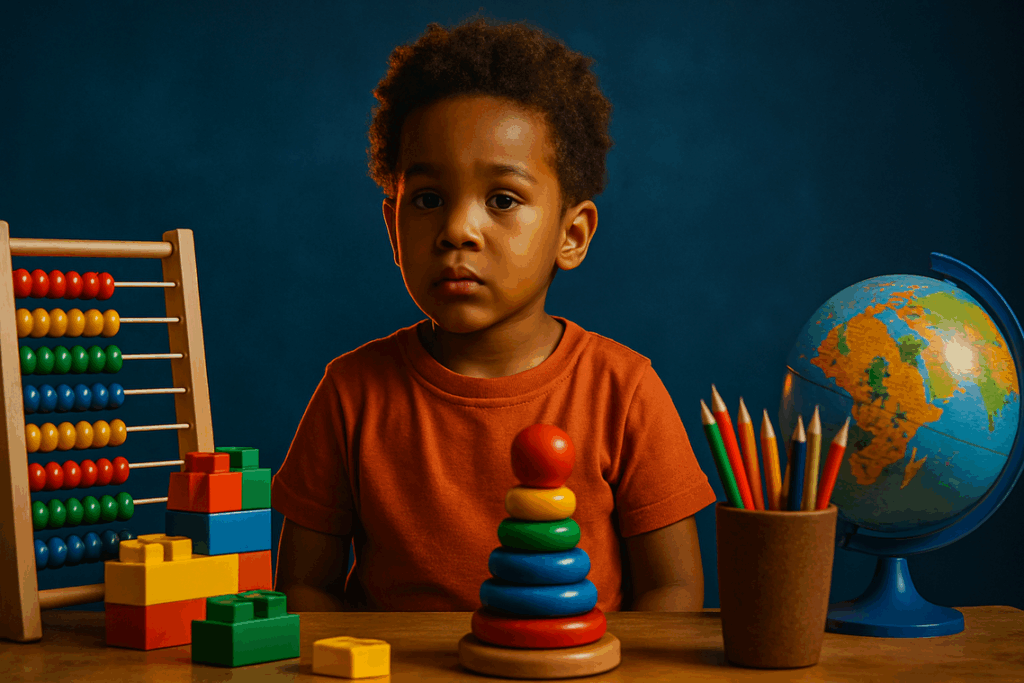
Stepping on a stray building block in the dark feels like a parenting rite of passage. The endless cycle of toys, crumbs, and clutter can leave any parent overwhelmed and wondering if a tidy home is even possible. Constantly cleaning up after your children is exhausting—and it doesn’t teach them the life skills they need to thrive. This guide to decluttering with kids offers simple, actionable strategies to turn daily messes into opportunities for teamwork. You’ll learn how to build responsibility, encourage cooperation, and create a calmer, more organized home—one small, manageable habit at a time.
The Mindset Shift: Why “Just Clean Up!” Doesn’t Work
First, let’s reframe the goal. Tidying isn’t a punishment; it’s a life skill. A life skill is an ability that helps someone function independently—like reading a menu or tying shoes. So instead of barking orders, teach the process step by step. For example, say, “Blocks go in this bin,” and show them how. Clear instruction beats vague commands every time.
Next, lead by example. Children mirror what they see (yes, even your dramatic sighs). If you grumble while stuffing laundry into a basket, they’ll assume chores are misery. Instead, narrate positively: “I’m putting my books back so I can find them later.” Think of it as being the calm, capable mentor—less drill sergeant, more Mr. Miyagi.
Then, connect tidying to benefits. Explain the “why.” When toys are off the floor, there’s space for a dance party or racetrack. This cause-and-effect link builds intrinsic motivation—meaning the drive comes from within, not from fear of consequences.
Importantly, focus on effort over perfection. A crooked blanket still counts. Praise participation to build momentum. Pro tip: set a five-minute timer to make decluttering with kids feel like a game rather than a lecture.
Finally, be consistent. Small, repeated habits shape capable helpers over time.
Kid-Friendly Systems: Setting Up for Success
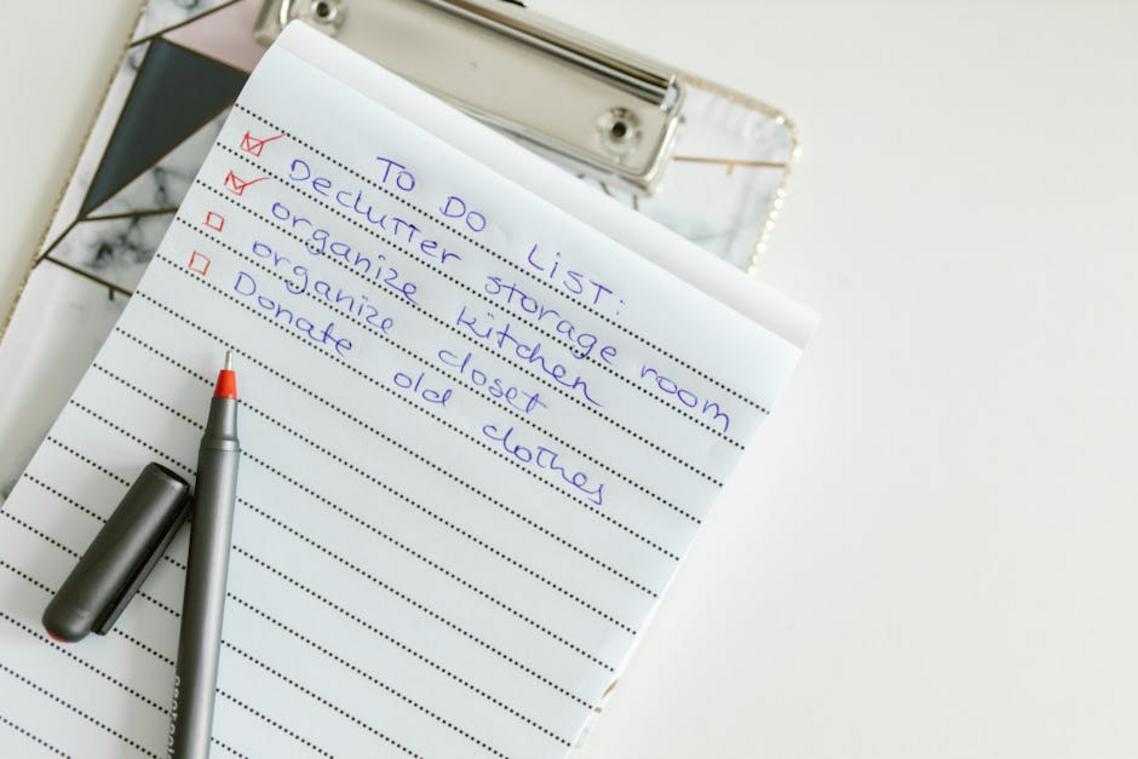
Every organized home starts with one simple rule: everything needs a home. If an item doesn’t have a designated spot, it won’t get put away. That principle becomes especially powerful when decluttering with kids.
First, think like a child. Use low, open shelves and clear bins. If they can’t see it or reach it, they can’t put it away. Independence grows when access is easy. In fact, Montessori-inspired classrooms rely on child-height storage for this reason, encouraging autonomy and responsibility (and fewer cries of “I can’t!”).
Next, label everything, ideally with pictures. Pre-readers respond faster to visual cues than text, according to early childhood literacy research from the National Institute for Literacy. A photo of blocks on the bin removes guesswork. As a result, cleanup feels doable, not overwhelming.
Then, create clear zones. Designate a reading nook, an art table, or a building corner. Defined spaces contain mess and make transitions smoother. When play has boundaries, cleanup has a finish line.
Finally, implement the “One In, One Out” rule. Before a new toy enters, your child chooses one to donate. Some argue this feels restrictive, fearing it limits joy. However, studies on choice overload show fewer options can increase focus and satisfaction. Pro tip: keep a donation box in a closet so decisions happen gradually, not during birthday chaos.
Ultimately, kid-friendly systems work because they respect how children think. When setup supports success, habits stick, and tidy becomes routine, not a daily battle consistently.
Age-Appropriate Tasks: From Toddlers to Tweens
When we say “age-appropriate tasks,” we mean chores that match a child’s developmental stage—their current ability to think, focus, and follow instructions. In other words, we’re not lowering standards; we’re aligning expectations with brain growth (which, yes, is still very much under construction).
Some parents argue kids should “just help out” regardless of age. Others worry chores steal time from play. The truth sits in the middle. Research from the American Academy of Pediatrics shows that small, consistent responsibilities build confidence and executive function—the mental skills used to plan and complete tasks (AAP, 2020). Done right, chores support development, not hinder it.
Toddlers (2–3 Years)
At this stage, stick to single-step commands—one clear action at a time. For example: “Put your cars in the red bin.” Turning cleanup into a game—like “feeding” the toy chest—makes cooperation more likely (think Mary Poppins, but with blocks).
Preschoolers (4–5 Years)
Now they can follow two-step directions. “Pick up your crayons and put them on the art shelf.” They can also sort laundry by color or attempt simple bed-making. It won’t be perfect—and that’s okay.
Early Elementary (6–8 Years)
Children can take responsibility for their own space: putting away clean laundry, tidying desks, and packing school bags. This is prime time for teaching routines, especially during decluttering with kids.
Pre-Tweens (9–12 Years)
They’re ready for broader household roles: emptying the dishwasher, wiping counters, or helping with meal prep and cleanup. For structure, pair responsibilities with systems like this meal planning for families a step by step guide.
Pro tip: Demonstrate first, then supervise. Independence grows best with guidance—not micromanagement.
Making tidying automatic isn’t about willpower; it’s about design. Start with the 10-Minute Tidy: set a nightly timer, and everyone resets the room. Because the sprint is short, resistance drops (even tired kids can handle ten minutes). Next, layer in a Cleanup Song. Over time, that single track becomes a behavioral cue—a trigger that tells brains it’s go-time. Then, try the Beat the Clock Challenge; urgency turns chores into a game, and games build dopamine-driven momentum. Finally, use Routine Anchoring, meaning you attach a new habit to an existing one, like cleaning before snack. Critics argue rewards and races create dependence. However, when you gradually fade prompts, kids internalize order as normal. That’s the overlooked edge in decluttering with kids: structure first, independence next. Pro tip: rotate songs monthly to keep novelty alive. Consistency beats intensity every single time in family systems. Small steps compound into calmer homes. Daily practice.
To create a more harmonious home environment, implementing simple decluttering systems with kids can be a rewarding experience, and you can find additional tips on fostering family cooperation in our article “Advice Famparentlife.
Building a Foundation for a Lifetime of Tidiness
By teaching, modeling, and making tidying a team effort, you’re doing more than decluttering with kids—you’re shaping their competence, confidence, and character. If the daily mess feels overwhelming, start with one simple routine this week. Consistency beats perfection. Ready for calmer days and smoother evenings? Put one new habit in place today and watch your home—and your child—thrive.