
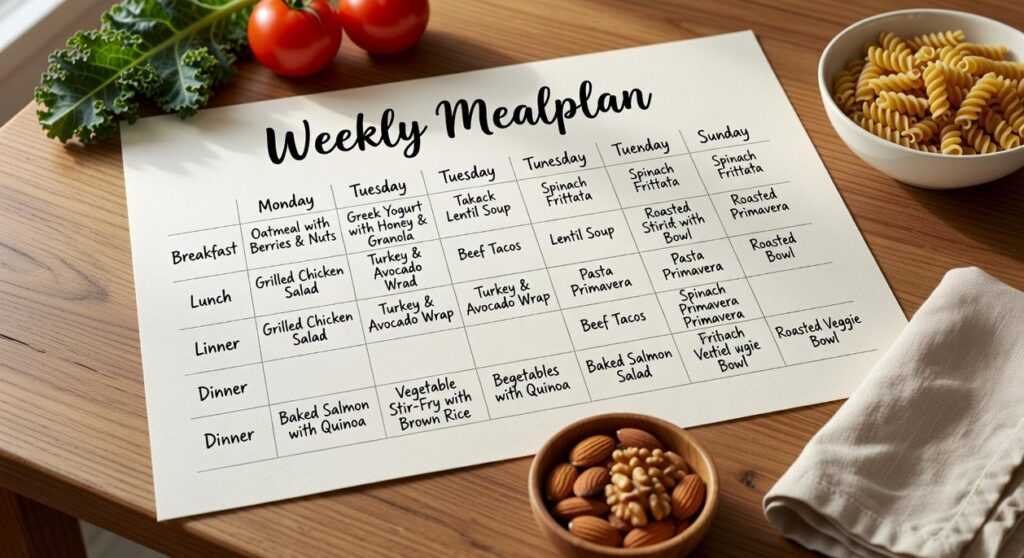
It’s 5 PM. Everyone’s hungry, homework is half-done, and you’re staring into the fridge hoping dinner will magically appear. Sound familiar? The nightly scramble to put a healthy meal on the table—one the whole family will actually eat—can feel overwhelming. Without a plan, stress rises, takeout becomes the default, and groceries go to waste. This family meal planning guide offers a simple, sustainable system to break the cycle. Built on years of hands-on experience helping families streamline daily routines, you’ll walk away with a clear, actionable blueprint to turn chaotic evenings into calm, confident mealtimes.
The Real Superpower of a Meal Plan: More Than Just Food*
To ensure your meal planning aligns with your family’s nutritional needs, check out our comprehensive ‘Nutrition Guide for Parents’ for helpful tips and insights – for more details, check out our Nutrition Guide Fparentips.
I’ll say it: meal planning isn’t a chore. It’s a parenting cheat code. Truly. When I started treating it like a strategy instead of another task, everything shifted.
Slash Your Grocery Bill. A plan kills impulse buys (goodbye, random snack aisle splurges) and forces you to use what’s already in your fridge. The USDA estimates families waste about 30–40% of their food supply—planning directly cuts that down.
Eliminate Last-Minute Stress. Knowing what’s for dinner removes that 5 p.m. panic. No staring into the fridge like it’s going to reveal answers.
Boost Your Family’s Nutrition. When you plan, you choose balanced meals on purpose instead of defaulting to takeout. It’s easier to add vegetables when they’re intentional.
Win Back Your Time. Families spend over two hours weekly deciding meals and making extra store runs. A solid family meal planning guide trims that dramatically.
In my opinion, fewer decisions equals calmer parenting. And calmer parenting? That’s the real superpower.
Step 1: Building Your Family’s Meal Planning Foundation
Before you plan a single dinner, set yourself up for success with a little smart prep. Think of this as the backbone of your family meal planning guide—simple steps now save serious time later (and prevent the dreaded 5 p.m. “what’s for dinner?”).
- Shop Your Kitchen First. Take 10 minutes to scan your pantry, fridge, and freezer. Spot wilting veggies, half-used pasta boxes, or that frozen chicken you forgot about. Plan meals around what you already have to cut waste and save money.
- Create a ‘Family Favorites’ Roster. Write down 10–15 meals everyone reliably eats without complaints. Taco night, spaghetti, stir-fry—whatever works. Keep this list handy for busy weeks when creativity is low.
- Choose Your Method. A notebook is simple and distraction-free. A fridge whiteboard keeps the plan visible. Apps like Cozi or Paprika offer portability and recipe storage. Pick what you’ll actually use consistently.
- Check the Calendar. Look ahead for late meetings, practices, or events. Plan quick meals or leftovers on packed nights and save new recipes for calmer days.
Pro tip: Start small. A realistic plan beats an ambitious one you won’t follow.
Step 2: Crafting Your Weekly Meal Blueprint in 20 Minutes
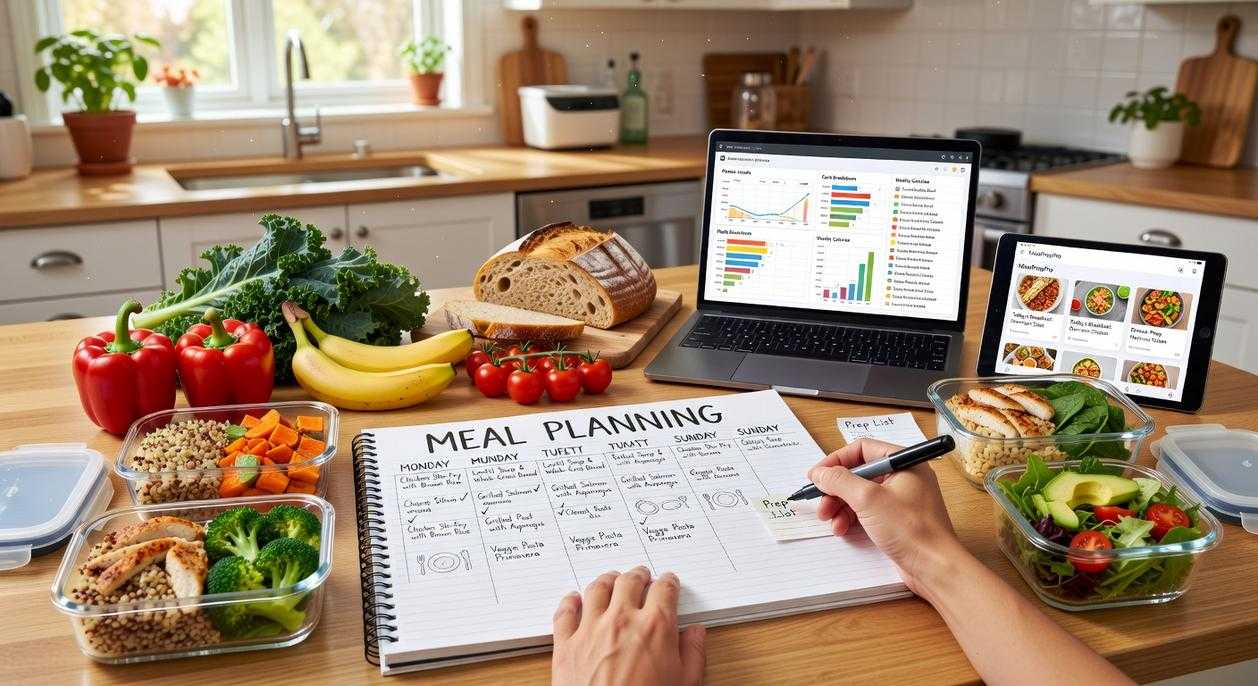
Now that you’re ready to plan, let’s make this practical. The goal isn’t perfection—it’s structure. Think of this as your family meal planning guide for the week ahead.
First, assign theme nights. “Meatless Monday,” “Taco Tuesday,” or “Pasta Night” create guardrails. Decision fatigue (the mental drain from too many choices) is real, and studies show it reduces willpower over time (Baumeister et al., 1998). Some people argue themes feel restrictive. In reality, they free you up. Taco night could mean fish tacos, lentil tacos, or taco salad—structure without boredom.
Next, try the “Cook Once, Eat Twice” strategy. Double a recipe like chili or roasted chicken and intentionally plan leftovers for lunch or a second dinner. Critics say leftovers feel repetitive. But when seasoned or repurposed—think chicken wraps the next day—they’re efficient, not dull. Pro tip: label leftovers clearly so they don’t become fridge science experiments.
Then, follow the Balanced Plate Formula: one protein, one healthy carbohydrate, and at least one vegetable. It’s a simple rule of thumb that supports balanced nutrition (USDA MyPlate guidelines).
Meanwhile, involve the kids. Let them choose one meal from their favorites list. When children have input, resistance drops (and mealtime battles ease). Pair this with tools like creating a kid friendly chore chart that motivates to build responsibility beyond dinner.
Finally, build your shopping list as you go. If it’s not on the list, it’s not in the cart. Simple, streamlined, done.
Healthy & Kid-Approved Meal Ideas to Get You Started
I used to dread the 5 p.m. question: “What’s for dinner?” One night, out of pure exhaustion, I set out tortillas, grilled chicken, black beans, and chopped veggies—and told everyone to build their own. Suddenly, dinner felt less like a battle and more like a taco bar party (minus the mariachi band).
Idea 1: Build-Your-Own Stations. Tacos, rice bowls, pasta bars, or personal pizzas let kids customize toppings. Autonomy (giving kids controlled choices) often reduces mealtime pushback.
Next, try Sheet Pan Magic. Roast a protein and colorful vegetables together. It’s efficient, balanced, and cleanup is blissfully minimal.
Pairing these meals with fresh juice made using a multi-function cold press juicer is an easy way to add more fruits and vegetables to your family’s routine.
Then there are One-Pot Wonders. Soups, stews, and hearty pastas simplify cooking while blending flavors beautifully.
Finally, Breakfast for Dinner. Scrambled eggs, whole-grain toast, fruit, or pancakes feel fun yet nourishing.
If you’re stuck, start small and rotate these concepts inside your family meal planning guide to keep things flexible and stress-light.
Transform Your Dinnertime From Chaos to Calm
You came looking for a practical family meal planning guide, and now you have a clear, realistic path forward. No more standing in front of the fridge at 5 p.m. wondering what’s for dinner. No more last-minute takeout runs that drain your energy and your budget.
The real problem was never cooking. It was the daily stress of unplanned dinners—the constant decision-making that wears you down after an already long day. When you put a simple, repeatable system in place, you remove that decision fatigue and put healthy eating on autopilot.
Remember, perfection isn’t the goal. Consistency is. Small steps create lasting habits.
Here’s your next move: This week, don’t try to plan all seven days. Just plan your next three dinners. Write them down. Shop for only those meals. You will immediately feel the difference—and finally turn dinnertime from chaos into calm.