
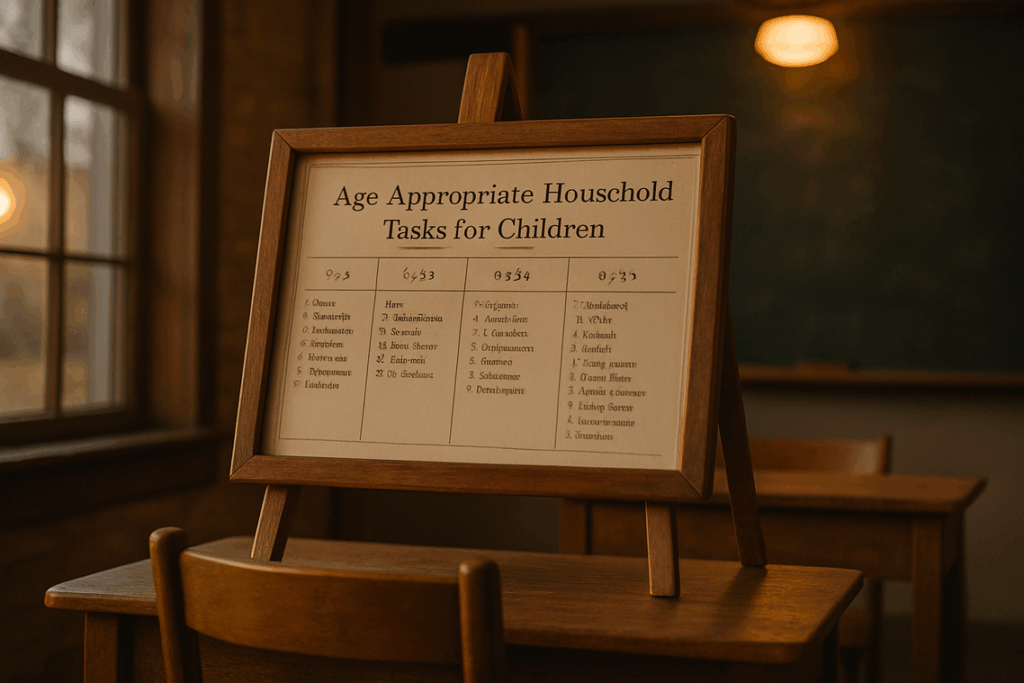
If you’re searching for a simple way to encourage responsibility without daily power struggles, a kid friendly chore chart might be exactly what your home needs. Parents often want their children to pitch in, build independence, and understand teamwork—but figuring out how to introduce chores in a positive, age-appropriate way can feel overwhelming.
This article is designed to help you create a system that actually works for real families. We’ll break down how to choose age-appropriate tasks, set clear expectations, keep kids motivated, and turn chores into consistent routines instead of constant reminders. Whether you have toddlers, school-aged kids, or a mix of ages, you’ll find practical strategies you can use right away.
Our guidance is grounded in widely recognized child development principles and everyday parenting experience, focusing on what supports responsibility, confidence, and healthy family dynamics. By the end, you’ll know exactly how to set up a chore chart that encourages cooperation, builds life skills, and makes your household run more smoothly.
From Chore Chaos to Family Teamwork: Your Guide to a Happier Home
If nightly negotiations over dishes and laundry leave you drained, you’re not alone. Many parents think kids should “just help” without structure. I disagree. Clarity beats reminders.
For years, research in child development shows routines build competence and reduce power struggles. The fix? A visible kid friendly chore chart that assigns age-appropriate tasks and deadlines.
Try:
- Toddlers: toy pickup and sock matching
- Elementary: table setting and pet feeding
- Teens: laundry cycles and trash duty
Pro tip: rotate to prevent boredom. Consistency transforms resentment into teamwork.
Why a Schedule Works: The Psychology of Predictability for Kids
Children thrive on predictability because routine reduces uncertainty. In developmental psychology, predictability means knowing what comes next, which lowers stress and builds confidence. Research from the American Academy of Pediatrics shows consistent routines improve emotional regulation and sleep quality in young children. When kids can anticipate dinner, bath, and bedtime, their brains relax (less guesswork, more security).
Some argue that strict schedules limit creativity. But structure doesn’t restrict freedom—it creates a safe base for it. When basic expectations are clear, kids explore more boldly.
Reframing chores also matters. Instead of punishments, present them as family contributions:
- Setting the table supports everyone.
- Feeding the pet shows responsibility.
- Tidying toys keeps shared spaces welcoming.
Visual tools make this concrete. A kid friendly chore chart turns abstract expectations into visible steps, which is especially powerful for early learners who think in pictures. Studies show visual cues improve task follow-through by up to 30%, reinforcing independence and teamwork.
The Ultimate Age-by-Age Guide to Household Tasks

Let’s challenge a popular belief right away: young kids are “too little” to help around the house. That idea sounds protective, but it often underestimates what children are capable of. Research from the American Psychological Association suggests that early involvement in chores is linked to higher self-esteem and responsibility later in life (APA, 2019). In other words, helping out isn’t child labor—it’s life training.
Ages 2–3: The Little Helper
At this stage, think one-step tasks—a single action with a clear finish line. Ask them to put toys in a bin, place napkins on the table, or wipe a small spill. These build executive function (the brain’s ability to plan and complete tasks).
Some argue toddlers just make chores slower. True. But speed isn’t the goal—skill-building is. (Yes, it takes five minutes longer. Breathe.)
Ages 4–5: The Developing Assistant
Now you can introduce two-step tasks like making their bed with help or feeding a pet. Setting the table teaches sequencing—fork, plate, cup.
A kid friendly chore chart can help visualize expectations. Keep it simple and visual. Pro tip: Rotate tasks weekly to prevent boredom.
Ages 6–8: The Independent Contributor
Here’s where many parents hesitate. “Isn’t taking out the trash too much?” Not really. Kids this age can handle responsibility like recycling, washing vegetables, or keeping their room tidy.
Chores at this stage develop accountability—understanding that actions affect others. When they forget trash day, the house notices. Natural consequences are powerful teachers.
Ages 9–11: The Skilled Helper
Loading the dishwasher, folding laundry, and preparing simple snacks build competence. Competence fuels confidence (and confidence beats constant praise).
Yes, they might fold towels “wrong.” Resist the urge to refold. Perfectionism kills initiative faster than criticism.
Ages 12+: The Household Partner
Teens can mow lawns, babysit siblings, or cook one meal weekly. This shifts them from helper to contributor. Think of it as real-world prep—like a low-stakes rehearsal for adulthood.
Some say teens are too busy with school. Fair point. But balance matters. Shared responsibility models teamwork—something far more valuable than spotless floors.
And when you’re not tackling chores, make time for connection with budget friendly family activities for every season.
Because the goal isn’t a perfect house.
It’s capable, confident kids.
How to Build and Launch Your Family Task Schedule
Step 1: Hold a Family Meeting
First, set the tone: team project or top-down order? A meeting says, “We’re in this together.” A surprise announcement feels more like new management took over overnight. When kids help choose tasks, they’re more likely to follow through (ownership changes everything). Define the goal: a smoother home, not stricter rules.
Step 2: Choose Your System
Now compare your options. A whiteboard is flexible and easy to update. A printable chart feels structured and visual. A jar with task sticks adds surprise—great for younger kids who love a little drama when picking chores. If you prefer clarity, go chart. If you prefer fun, go jar. Some families thrive with a kid friendly chore chart; others prefer reusable systems to cut paper clutter.
Step 3: Define “Done”
Next, avoid confusion by defining terms. “Done” means fully completed, not halfway. “Clean your room” vs. “Put toys in the bin and books on the shelf.” Clear beats clever.
Step 4: Decide on Rewards (or Not)
Finally, allowance vs. intrinsic motivation. Money motivates short term; pride builds long term. Choose what aligns with your values and stick with it.
The “I Forgot” Problem
When kids say “I forgot,” they usually mean the task wasn’t anchored to a routine. An anchor habit is a task you attach to something that already happens daily. For example, feed the dog right after breakfast. That pairing builds consistency (like brushing teeth before bed).
Pushback happens. Try: “We’re a team, and teams share the work.” Short, calm scripts reduce debate.
Some argue strict schedules stifle freedom. Not quite. Structure creates predictability, which lowers stress (for everyone).
Use a kid friendly chore chart to visualize expectations. And remember: progress over perfection—adjust as kids grow.
Ultimately, the secret to a calmer, more cooperative household isn’t magic—it’s consistency. A clear, age-appropriate task schedule ends daily chore battles because everyone knows what’s expected. Instead of sounding like a broken record (cue the Encanto “We Don’t Talk About Bruno” replay), you point to the plan and move on. More importantly, this system does more than tidy rooms. It builds responsibility, confidence, and a real sense of belonging.
So start small. Pick one age group and one task this week. Use a kid friendly chore chart and stick with it. Small, steady steps create big change. Starting today matters.
By incorporating fun rewards and clear expectations into your chore chart, you can tap into the same motivational principles discussed in our article on Research Studies Every Parent Should Know About Child Behavior.
Make Chores Easier Starting Today
You came here looking for a practical way to get your child involved at home without constant reminders, power struggles, or unfinished tasks. Now you have a clear roadmap for creating a kid friendly chore chart that motivates, teaches responsibility, and fits naturally into your family’s daily routine.
When chores turn into daily battles, it drains your energy and leaves you wondering if it’s even worth it. But with the right structure, clear expectations, and age-appropriate tasks, chores become opportunities for growth instead of frustration. A simple, consistent system can transform chaos into cooperation.
Now it’s time to take action. Create your own kid friendly chore chart today and put it where your child can see it. Start small, stay consistent, and celebrate progress.
If you’re tired of repeating yourself and want proven, parent-tested strategies that actually work, explore more of our top-rated parenting resources designed to simplify family life. Thousands of parents rely on our practical tools to reduce stress and build responsible kids. Start today and turn everyday routines into confident, capable habits.