
Parenting doesn’t come with a manual, but most moms and dads are searching for the same thing: practical, real-life guidance that actually works. Whether you’re navigating toddler tantrums, building better routines, or wondering how to support your child’s growth, you want advice that fits into everyday family life—not theory that sounds good on paper.
This article is designed to give you clear, actionable strategies you can use right away. We’ll explore proven discipline approaches, simple household systems that reduce stress, and research-backed insights into play and cognitive development so you can feel confident about the choices you’re making at home.
Our guidance draws from established child development research, evidence-based parenting practices, and real-world application that reflects the challenges modern families face. By the end, you’ll have practical tools to strengthen connection, encourage growth, and create a more balanced, supportive home environment.
The Smartest Toy in the Room is Your Child’s Imagination
Many parents believe pricey “educational” toys are the secret to raising a genius. However, research from the American Academy of Pediatrics shows simple, imaginative play often delivers stronger cognitive gains than structured gadgets (AAP, 2018).
So, what actually works? Start with everyday items: cardboard boxes become spaceships, socks become puppets, and kitchen timers spark problem-solving races. Meanwhile, ask open-ended questions like, “What happens next?” to strengthen memory and critical thinking.
In fact, play and cognitive development thrive when children lead. Instead of formal lessons, focus on curiosity, connection, and consistency.
What Are Cognitive Skills? (And Why Play is Their Superfood)
“Wait—aren’t cognitive skills just… intelligence?” a parent once asked me. Not exactly. Cognitive skills are the brain’s core tools for thinking, reading, learning, remembering, and paying attention. Think of them as the mental equipment kids use every single day.
For example, working memory helps a child remember multi-step directions (“Shoes, backpack, then the car”). Attention keeps them focused long enough to finish homework. Problem-solving kicks in when a tower falls and they decide to rebuild it differently (future engineer vibes, anyone?).
Now here’s the twist. “So play is just downtime, right?” another parent said. Actually, no. According to the Harvard Center on the Developing Child, play strengthens neural connections in growing brains. In other words, play is to the brain what exercise is to muscles.
That’s why play and cognitive development go hand in hand. Far from being a break from learning, play is learning—just in its most natural, powerful form.
Building Better Problem-Solvers: Games for Critical Thinking
Kids are not born great problem-solvers. They BUILD that skill through practice, experimentation, and yes—play.
Activity 1: Puzzles and Building Blocks
Puzzles and building blocks strengthen spatial reasoning (understanding how objects fit in space), pattern recognition (spotting repeating shapes or sequences), and persistence. When a toddler rotates a triangle to fit a sorter, they’re learning trial and error. When an older child follows a 500-piece LEGO blueprint, they’re practicing sequencing and planning.
To scale difficulty:
• Start with large shape sorters or 4-piece puzzles
• Move to interlocking jigsaws
• Graduate to complex LEGO or magnetic tile designs
If frustration rises, step back one level (confidence fuels growth). Pro tip: Ask, “What do you notice about this piece?” instead of pointing to the solution.
Activity 2: “What If?” Scenarios
Hypothetical questions build creative problem-solving and cause-and-effect thinking. Ask, “What if the car had square wheels?” Suddenly, your child must predict outcomes. Would it bounce? Stop? Break?
This type of play and cognitive development strengthens reasoning because kids test ideas mentally before acting—like tiny scientists.
Activity 3: Simple Strategy Games
Games like tic-tac-toe, checkers, and Connect Four teach planning and foresight. Children learn to anticipate moves and ADAPT when plans fail. (Yes, losing is part of the lesson.)
Some argue strategy games are too competitive for young kids. But when framed as learning—not winning—they build patience and resilience (American Academy of Pediatrics supports learning through structured play, 2018).
Parenting Hack: Ask open-ended questions like, “How did you decide to put that piece there?” instead of giving instructions. This supports https://famparentlife.com.co/social-skills-development-what-to-expect-at-each-stage/ naturally while keeping curiosity ALIVE.
Sharpening Focus: Playful Ways to Boost Memory and Attention
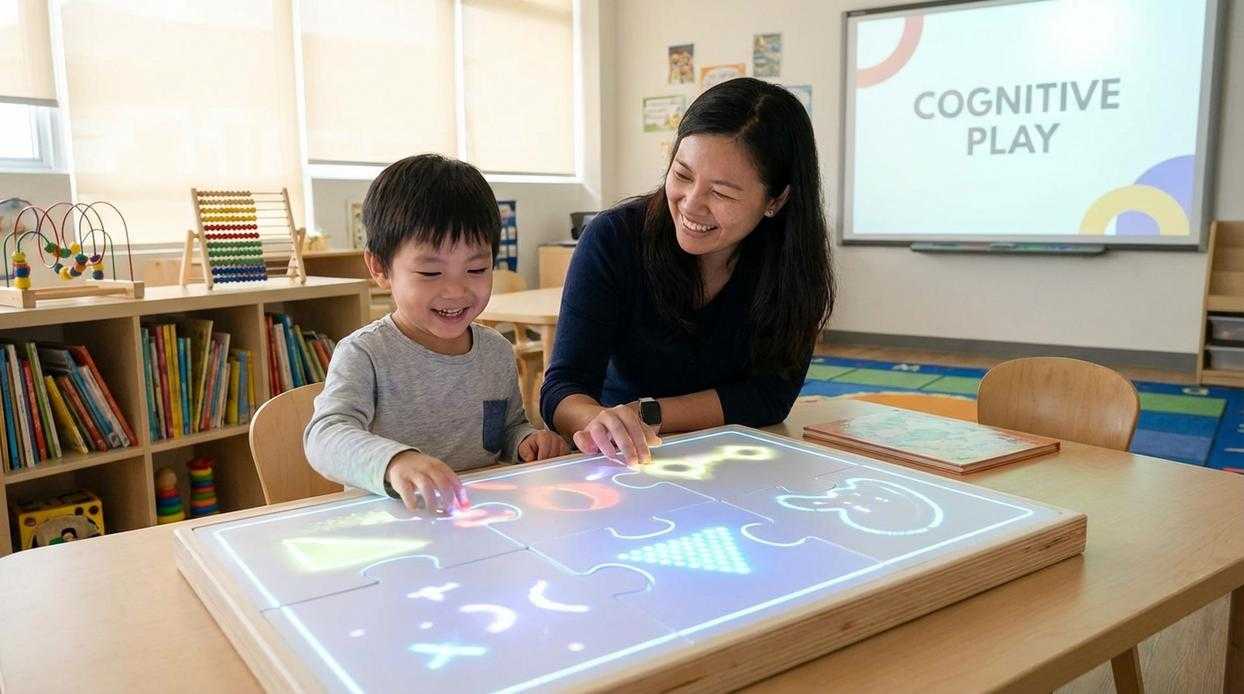
When it comes to strengthening kids’ brains, parents often picture flashcards (A) versus free play (B). But the sweet spot blends both. Thoughtful games feel fun while quietly building serious skills.
Memory Games: Matching vs. Meaningful Recall
Matching cards are classic, but try “What’s Missing?” instead. Place five objects on a tray, cover them, remove one, and ask what disappeared. That small twist stretches working memory—the brain’s ability to hold and use information briefly. Or read a short story and have your child retell it in their own words (bonus points for dramatic voices). Research shows active recall strengthens memory pathways more effectively than passive review (Roediger & Karpicke, 2006).
Attention Builders: Passive Hearing vs. Active Listening
“I Spy” sharpens selective attention—focusing on one detail while ignoring distractions. A “listening walk” trains the same skill through sound.
- Spot three different bird calls
- Identify the loudest and softest noises
Pro tip: Keep sessions short; attention grows with consistency, not marathons.
Sequencing Activities: Watching vs. Doing
Storytelling chains or following a simple recipe build sequential memory—remembering steps in order, crucial for reading and math. These playful routines show how play and cognitive development work hand in hand (like peanut butter and jelly, but less sticky).
The Everyday Brain Gym: Weaving Cognitive Play into Your Daily Routine
You could buy flashcards and schedule formal lessons. Or you could use Tuesday night tacos. Option A feels productive. Option B is productive (and comes with guacamole).
In the Kitchen: Recipe vs. Random
Following a recipe teaches sequencing—understanding that steps happen in a specific order. Measuring flour introduces fractions and volume. Waiting for cookies to bake? That’s delayed gratification in action. Compare that to unstructured screen time: passive consumption versus active problem-solving. Let kids sort silverware or match lids to containers; they’re practicing classification without realizing it.
During Household Chores: Sorting as Strategy
Laundry offers a side-by-side choice:
- Toss everything in one pile (fast, zero thinking).
- Sort by color, size, or family member (slower, brain-building).
Option two strengthens categorization, a foundational executive function skill defined as the brain’s ability to organize and prioritize information. (Yes, socks can teach strategy.)
At the Grocery Store: Scavenger Hunt vs. Silent Cart Ride
A simple prompt—“Find something red and round”—boosts observation and object recognition. It transforms errands into play and cognitive development moments instead of checkout-line meltdowns.
The Routine Mindset
Consistency beats intensity. Five playful minutes daily outperforms one grand weekend activity. Research shows repeated small learning interactions build stronger neural pathways over time (Harvard Center on the Developing Child). Think of it as compound interest for the brain.
Start Small, Start Today
You don’t need flashcards or fancy apps to boost play and cognitive development. In fact, first look at what you already do. For example, turn dinner prep into a counting game: ask your child to grab three carrots, then two plates. Next, during bath time, explore sinking and floating with cups. These tiny moments add up.
The core idea is simple: kids learn best when they’re laughing and curious. So choose just one activity this week and try it. After all, you’re their favorite teacher and teammate. Keep it light, consistent, and joyful. Every day counts.
Building Stronger Family Routines That Actually Work
You came here looking for practical ways to make parenting feel less overwhelming and more intentional. Now you have clear strategies to improve daily routines, support your child’s growth, and approach discipline with confidence instead of frustration.
When routines feel chaotic, it impacts everything—your patience, your child’s behavior, and the overall peace in your home. The good news is that small, consistent changes can transform everyday moments into opportunities for connection, learning, and play and cognitive development.
The next step is simple: choose one routine to improve this week. Start small. Stay consistent. Adjust as needed. Parenting isn’t about perfection—it’s about progress.
If you’re ready to reduce daily stress and build a calmer, more connected home, explore more of our proven parenting strategies trusted by thousands of families. Find the tools that fit your household, put them into action today, and start seeing the difference in your child’s behavior and confidence right away.