

If you’ve been feeling constantly exhausted, irritable, or emotionally drained around your kids, you’re likely searching for clarity about what’s normal—and what’s not. This article is designed to help you understand parental burnout signs, why they happen, and what you can realistically do to recover without guilt or unrealistic expectations.
Modern parenting comes with relentless demands, from managing daily routines to supporting your child’s emotional development. When the pressure builds without relief, burnout can quietly take hold. Here, we break down the most common parental burnout signs, how they differ from everyday stress, and practical strategies you can apply immediately to restore balance at home.
Our guidance is grounded in established child development research, evidence-based discipline strategies, and insights drawn from real-world family dynamics. You’ll walk away with clear, actionable steps to protect your well-being while continuing to show up for your family with patience and confidence.
It’s easy to say you’re tired. Every parent in Seattle carpools or Atlanta daycare lines gets it. But chronic, bone-deep exhaustion is different. If coffee no longer touches it and weekends feel like triage, pause.
Many moms and dads wave off parental burnout signs as “just the season.” That mindset keeps you stuck in SURVIVAL MODE.
Look for:
- Emotional numbness or snapping over small things
- Physical fatigue that sleep doesn’t fix
- Withdrawing from family routines you once enjoyed
Sound familiar?
Recognizing red flags is how you move from barely functioning to THRIVING. Your body is talking. Listen.
The Emotional Toll: When Your Feelings Don’t Feel Like Your Own
Recognizing the early signs of parental burnout is crucial not only for your well-being but also for maintaining strong connections with your children, a topic we delve deeper into in our article on Connection Advice for Parents – for more details, check out our Connection Advice Fparentips.
Some days, it’s not the big things that break you. It’s the spilled juice. The bickering over who touched whose toy. The sock that somehow vanished again. Constant Irritability or Anger can show up as snapping over minor issues and then sitting with a persistent, low-grade anger that lingers long after the moment passes. If this feels familiar, pause and try a 60-second reset: step into another room, take five slow breaths, and name what you’re actually feeling (tired, overstimulated, unheard). Labeling emotions reduces their intensity, according to research from UCLA.
Then there’s Emotional Numbness or Detachment—going through the motions of parenting without joy or connection. You pack lunches, attend practices, answer questions… but feel distant. A practical way to rebuild connection is the “10-minute floor rule”: set a timer, sit on the floor, and let your child lead play. No phone. No multitasking. It often feels awkward at first (like being cast in a role you forgot your lines for), but consistency matters.
Overwhelming Anxiety or Dread can look like waking up tense or worrying excessively about your child’s safety. Try writing down the fear and asking, “Is this likely, or is this exhaustion talking?” That small distinction helps ground runaway thoughts.
Finally, Loss of Empathy happens when your internal tank is empty. You can’t pour from it. Build micro-refills into your day: a short walk, a call with a friend, or even five quiet minutes in the car before going inside.
These are common parental burnout signs—and noticing them is the first, powerful step forward.
The Physical Symptoms: How Your Body Is Sending an SOS
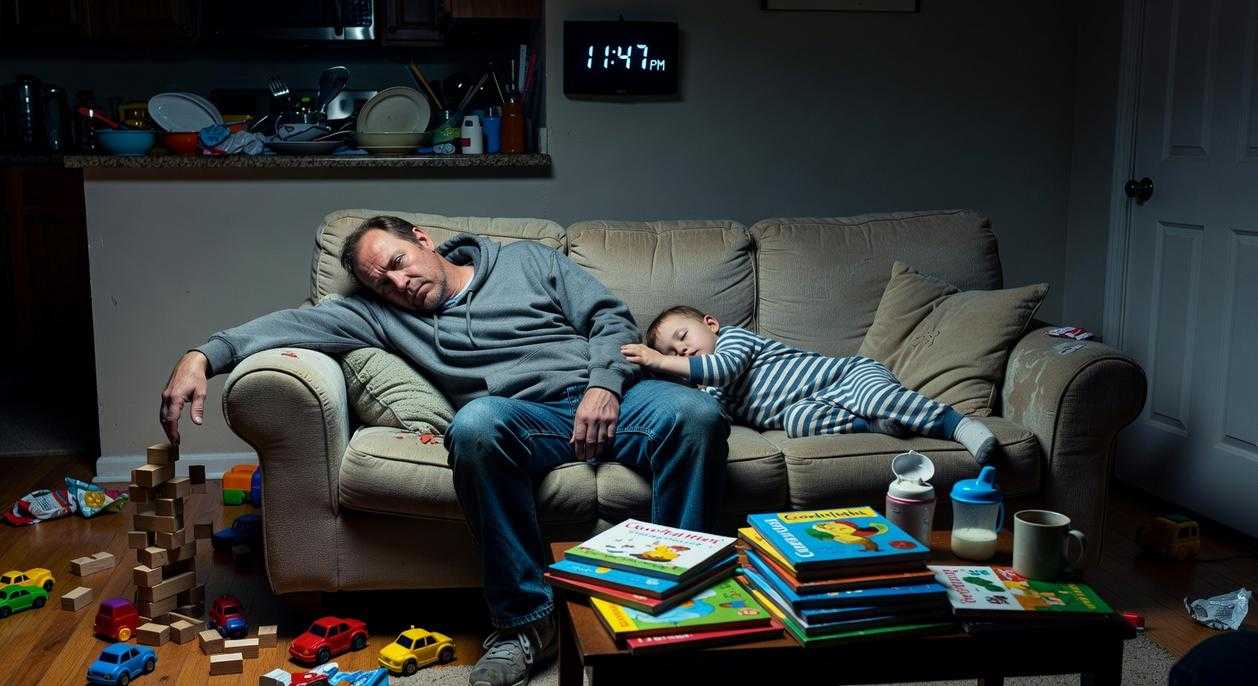
When your body starts whispering that something’s wrong, it’s worth listening. Recognizing these signals early doesn’t just validate what you’re feeling—it gives you the power to respond before exhaustion turns into something harder to reverse.
Bone-Deep Fatigue That Sleep Doesn’t Fix
First, there’s normal tired. Then there’s the kind where even eight uninterrupted hours feel like you closed your eyes for five minutes. This isn’t just “I stayed up too late” fatigue. It’s profound exhaustion—what clinicians often call chronic fatigue, meaning persistent, overwhelming tiredness not relieved by rest. According to the CDC, ongoing stress can significantly impact energy regulation and recovery cycles. The benefit of spotting this early? You can adjust workloads, seek support, and rebuild sustainable routines before your body forces a shutdown (and it will, eventually).
Increased Frequency of Illness
Chronic stress elevates cortisol, a hormone that, over time, suppresses immune function (American Psychological Association). If you’re catching every cold your kids bring home or dealing with constant flare-ups, your immune system may be waving a white flag. Identifying this pattern helps you prioritize recovery instead of blaming “bad luck.”
Persistent Headaches and Muscle Pain
Meanwhile, tension headaches, stiff necks, and sore backs often stem from prolonged stress. When your nervous system stays on high alert, muscles rarely fully relax. Think of it like clenching your jaw through an entire action movie—eventually, something aches.
Changes in Appetite or Sleep Patterns
Finally, notice shifts in eating and sleep. Insomnia from a racing mind. Oversleeping to escape. Stress eating. Forgetting meals. These patterns are common parental burnout signs. Recognizing them isn’t weakness—it’s awareness. And awareness gives you the advantage of choosing restoration before burnout chooses for you.
The Behavioral Shifts: Changes in Your Actions and Routines
At first, the changes are subtle. Then, gradually, they become patterns. One of the clearest parental burnout signs is social withdrawal. You cancel plans, ignore texts, and avoid playdates because conversation feels like one more demand on your energy. Instead of connection, you choose quiet isolation (even if it’s hiding in the bathroom for five minutes).
Likewise, loss of interest in hobbies creeps in. The novel on your nightstand collects dust. Your running shoes stay by the door. Activities that once refilled your cup now feel pointless. When this happens, schedule just 15 minutes to restart one small hobby—momentum matters more than duration.
As exhaustion builds, you may notice an increased reliance on shortcuts. Screen time stretches longer. Takeout becomes the norm. Bedtime routines loosen. While survival mode is understandable, try choosing one routine to stabilize first—consistency in a single area often restores control.
Finally, watch for escapist behaviors. Endless scrolling, binge-watching, or that extra glass of wine to “numb out” can become nightly rituals. Instead, swap one escape habit for a restorative one, like a quick walk or journaling.
If this feels familiar, prioritize building strong parent child communication in busy households to rebuild connection and reduce emotional overload.
From Recognition to Relief
Noticing parental burnout signs is one thing; doing something about them feels harder. Here’s where we do what most advice skips: start absurdly small.
The 5-Minute Rule. Set a timer. Five minutes. No folding laundry, no scrolling. Just breathe, play one song, or sit in silence (yes, even in the bathroom).
Verbalize It. Say, “I am exhausted.” Out loud. Naming it reduces stress intensity, research shows (Pennebaker, 1997).
Lower One Expectation. Let the kitchen stay messy tonight. Order takeout. Pro tip: choose the expectation that drains you most.
Relief begins with permission, not perfection today.
Reclaiming your energy starts with naming it: parental exhaustion. What you’re feeling after school drop-offs, late-night laundry cycles, and PTA email at 9 p.m. is real. Ignoring these parental burnout signs doesn’t make you tougher; it digs the hole deeper, straining your patience and your family’s rhythm.
Recognizing the pattern is the first pivot. When you can say, this is burnout, not failure, you stop treating headaches and snapping as random flaws and start addressing the root cause.
Try one step today:
- Go to bed 20 minutes earlier.
- Say no to one commitment.
Small shifts restart momentum
Finding Relief and Reclaiming Balance at Home
You came here looking for clarity, reassurance, and real solutions—and now you have them. You understand what parental burnout signs look like, why they happen, and how they quietly affect your patience, energy, and connection at home.
Ignoring those signs only deepens exhaustion and guilt. But recognizing them? That’s the first powerful step toward change.
You don’t have to keep running on empty. Small, intentional shifts in your daily routines, boundaries, and self-care can restore calm, rebuild patience, and bring back the joy that feels buried under stress.
If you’re feeling stretched too thin, now is the time to act. Explore more practical parenting strategies, reset your daily systems, and start using proven family-tested routines that actually lighten your load. Thousands of parents rely on these simple, effective tools to prevent burnout and create smoother days.
Take the next step today—find one strategy you can implement immediately and commit to it. Your energy, your peace, and your family dynamic are worth it.