

If you’re searching for practical ways to raise responsible, respectful kids, you’re in the right place. Many parents struggle with everyday challenges—backtalk, forgotten chores, emotional outbursts, or constant reminders that seem to go nowhere. The good news? With the right strategies, these moments can become powerful opportunities for growth.
This article focuses on realistic, research-backed approaches to teaching accountability to children in ways that actually stick. You’ll discover how to set clear expectations, create consistent consequences, encourage problem-solving, and model responsibility at home—without turning your household into a battleground.
We draw from established child development research, evidence-based discipline strategies, and real-world parenting practices that have helped families build stronger routines and healthier communication. Whether you’re navigating toddler tantrums or guiding a strong-willed preteen, you’ll find practical tools you can start using today to build responsibility, resilience, and trust in your family life.
From the other room comes a crash, then the classic: “It wasn’t me!”
Why Accountability Matters
Many parents feel stuck in a loop of blame-shifting, unsure how to guide kids toward ownership. This guide focuses on teaching accountability to children through age-appropriate, research-backed strategies rooted in child development. Instead of punishments, you’ll use clear cause-and-effect language, consistent routines, and modeled apologies to build integrity and trust. For example, a preschooler practices cleanup after spilling, while a teen drafts a plan to fix a mistake. These practical tools fit real, busy families and turn “Not me” into “I did it.” confidently.
Why Ownership Matters: The Building Blocks of Character
Responsibility is more than completing chores; it’s understanding the cause-and-effect relationship between choices and consequences. Ownership means recognizing that actions shape outcomes. When children grasp this link, they move from compliance to character.
Research from the American Psychological Association shows that children given age-appropriate responsibilities develop higher self-esteem and stronger problem-solving skills. Why? Because success—and even failure—becomes evidence of capability. A child who packs their own school bag and forgets homework learns faster than one rescued every time (natural consequences are powerful teachers).
Some argue kids are too young for real accountability. Yet studies on resilience, including work by Dr. Carol Dweck, show that facing manageable setbacks builds a growth mindset. Teaching accountability to children helps them view mistakes as data, not disasters.
Socially, responsible kids earn trust. Teachers rely on them. Peers choose them for group work. And trust, once built, becomes a lifelong advantage.
The Early Years (Ages 2–5): Planting the Seeds of Responsibility
Ages two to five are where the magic begins. This is when simple cause and effect finally clicks. Drop a toy? It falls. Spill juice? It spreads. In my opinion, this is the perfect window for teaching accountability to children without lectures or long explanations (because let’s be honest, they’ve already stopped listening).
Some parents argue kids this young are “too little” to be responsible. I disagree. They’re not too little to learn patterns. They just need them modeled clearly and calmly.
Parenting Hack #1: The “You Drop It, You Pick It Up” Rule.
Frame it as routine, not punishment. When a cup tips over, say, “Oops, we spilled. Let’s grab a cloth and wipe it together.” You help—but they participate.
Try this simple structure:
- Name what happened.
- Show the fix.
- Do it together.
That’s it. No shame. No lectures.
I also love “Fix-It” jobs. If they knock down a block tower, rebuilding becomes their mission. The action connects to a restorative outcome (tiny life lesson unlocked).
If you want more strategies like this, explore positive discipline techniques that actually work.
Pro tip: Stay neutral in tone. Your calm voice matters more than the cleanup itself.
The Middle Years (Ages 6–10): From Following Rules to Making Choices
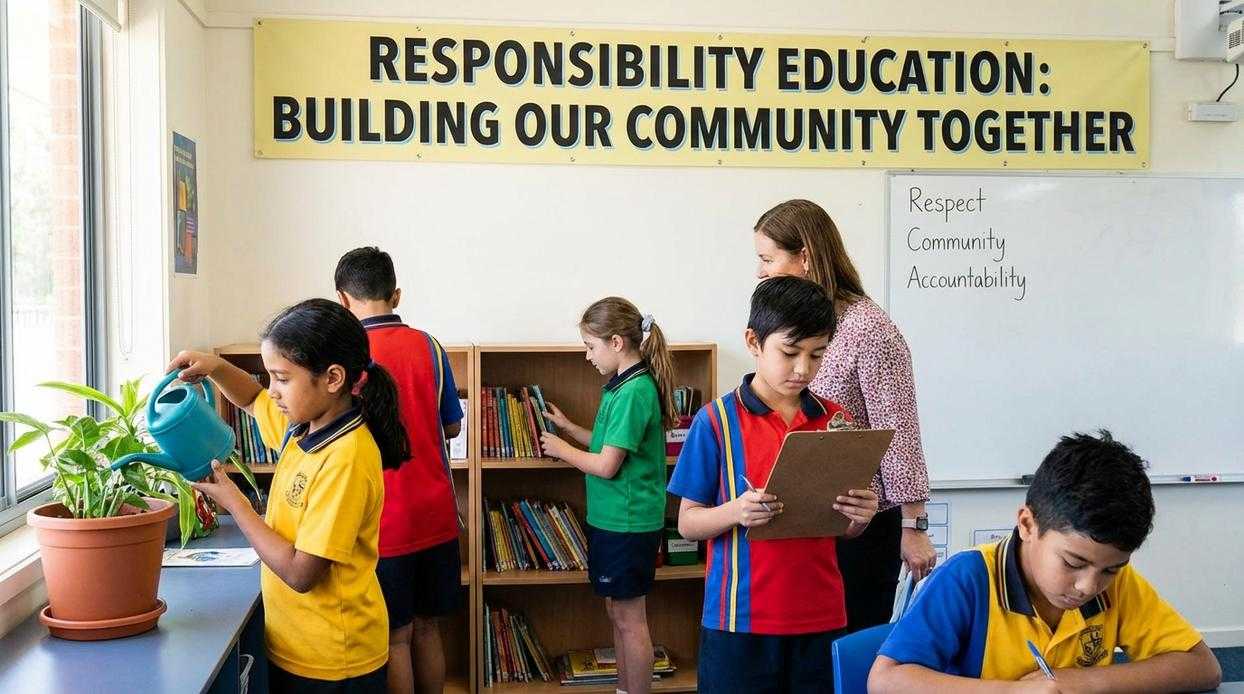
Between ages six and ten, something subtle but powerful happens. Children move from simply following rules to beginning to make choices. Instead of constant reminders, they’re ready for structured independence (yes, even if their room suggests otherwise).
A practical way to support this shift is with a Responsibility Chart. Divide it into three categories: personal tasks (making their bed), family tasks (setting the table), and academic tasks (packing their own school bag). This visual system reinforces teaching accountability to children in a concrete, age-appropriate way. Over time, routines become habits—and habits build confidence.
Let Natural Consequences Do the Talking
Equally important, introduce natural consequences. If they forget their soccer cleats, they can’t participate in practice. It’s tempting to rush them their gear or deliver a long lecture. However, experience is often the best teacher. According to the American Academy of Pediatrics, consistent and predictable consequences help children connect actions with outcomes (AAP, 2018).
When mistakes happen—and they will—shift into problem-solving mode. If they break a sibling’s toy, calmly ask, “What’s your plan to make this right?” This question invites ownership. They might write an apology note or earn money for a replacement. Either way, they practice repair, not avoidance.
You might wonder: Will this make them feel unsupported? Actually, research on autonomy-supportive parenting shows children develop stronger self-regulation when given guided independence (Ryan & Deci, 2020).
So what’s next? As they grow, you’ll gradually step back further—turning responsibility charts into internal checklists and consequences into self-correction. The goal isn’t perfection. It’s progress toward thoughtful decision-making.
The Pre-Teen & Teen Years (Ages 11+): Fostering True Accountability
As kids enter adolescence, freedom starts expanding fast (sometimes faster than their judgment). The key is linking increased independence with increased responsibility. Research from the American Academy of Pediatrics shows that teens who are given structured responsibility demonstrate stronger executive functioning skills—like planning and impulse control—by late adolescence (AAP, 2021). In other words, structure now builds capability later.
A practical discipline strategy is the “when/then” approach: When your homework is done, then you can use your phone. This connects privilege to performance without turning every evening into a debate. It’s clear, predictable, and fair.
Encourage ownership of time by handing them a planner or digital calendar. A 2019 study in the Journal of Applied Developmental Psychology found that teens who actively track assignments are more likely to meet deadlines independently. You’re shifting the mental load from your brain to theirs (where it belongs).
Model behavior, too. Saying, “I’m sorry, I was wrong,” reinforces that accountability applies to everyone. Accountability is caught as much as it is taught.
Teaching accountability to children during these years prepares them for adult consequences—college deadlines, job expectations, real-world trust. And yes, they’ll push back. That’s normal. Consistency wins.
A Culture, Not a Switch
Building accountability at home is less like flipping a light switch and more like tending a garden. You plant seeds, water daily, and trust growth you can’t always see. Teaching accountability to children works the same way. Some argue strict consequences alone build character. But punishment without guidance is like sunlight without water—harsh and incomplete.
Avoiding hard conversations may feel easier now, yet it quietly erodes resilience later. Consistency is the fertilizer. Use age-appropriate tools, focus on solutions over blame, and choose one strategy this week. Small, steady actions build capable, confident adults over time.
Building Stronger Family Habits Starts Today
You came here looking for practical, realistic ways to strengthen your parenting approach and create smoother daily routines at home. Now you have clear strategies you can apply right away—from improving communication to reinforcing positive behavior and teaching accountability to children in ways that actually stick.
Parenting can feel overwhelming when routines fall apart, discipline turns into constant reminders, and responsibility doesn’t seem to land. That daily frustration adds up. But with consistent structure, calm guidance, and intentional follow-through, you can replace chaos with cooperation and raise kids who understand expectations and take ownership of their actions.
The next step is simple: choose one strategy from this guide and start today. Small, consistent changes create lasting results.
If you’re ready to stop repeating yourself and start seeing real progress at home, explore more of our proven parenting insights trusted by thousands of families. Dive in now and give your household the clarity, structure, and confidence it deserves.